Scan a barcode, type the quantity, done. Storage-Ex records what comes in and what goes out — with the name of the person who did it and the time they did it.
The problem
Somebody keeps it in a spreadsheet and everybody else guesses. Goods leave without being written down, a number is corrected from memory, and by the time anyone notices, nobody can say when it drifted or who was there. A warehouse does not need more discipline — it needs the writing-down to take two taps, at the shelf, by the person holding the box.
What it does
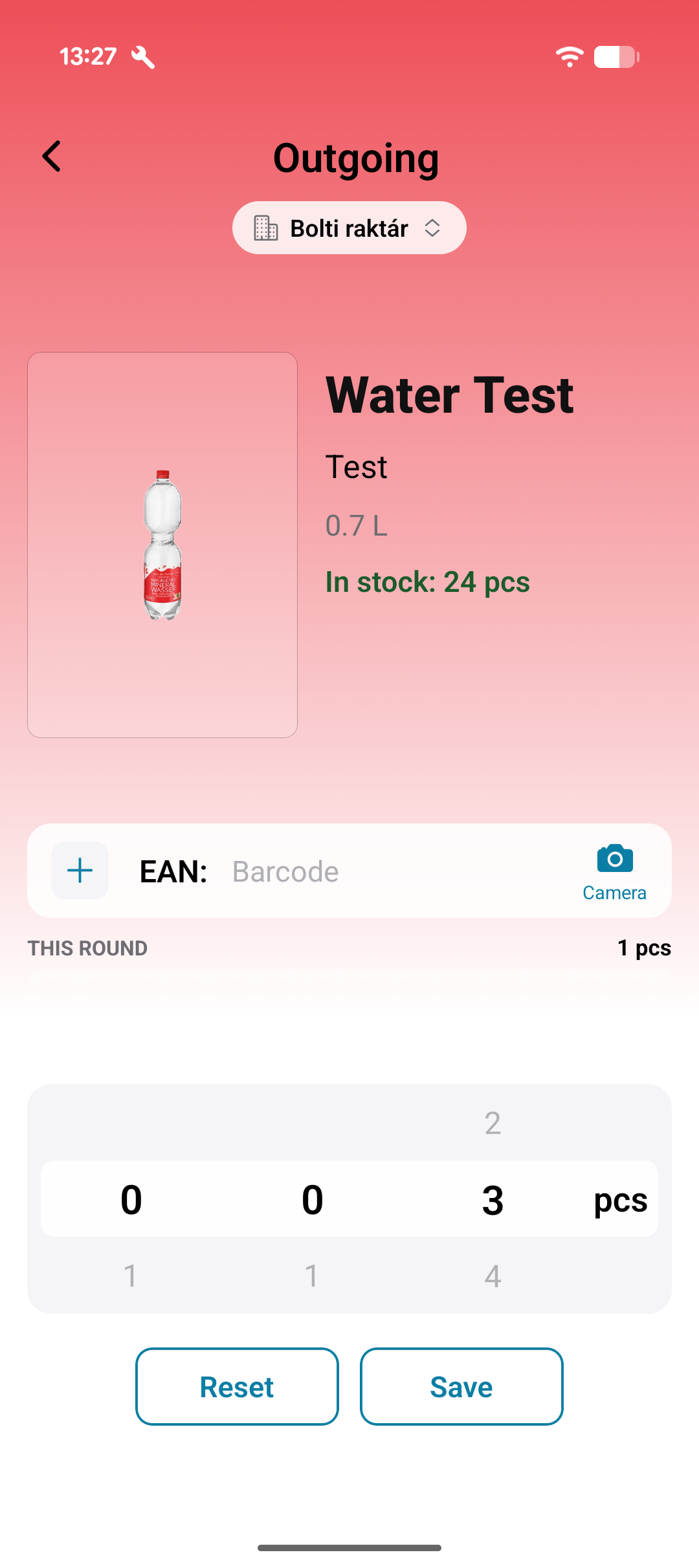
Scan the barcode with the camera, or pick the product from the list. Set the quantity, save. Goods in and goods out are the same two screens, so nobody has to be taught twice.
While you work, the round’s entries stay on screen. Mistyped a quantity? Tap the row and correct it — the correction is stored as its own entry rather than quietly replacing the first, so what happened to the goods stays readable afterwards.
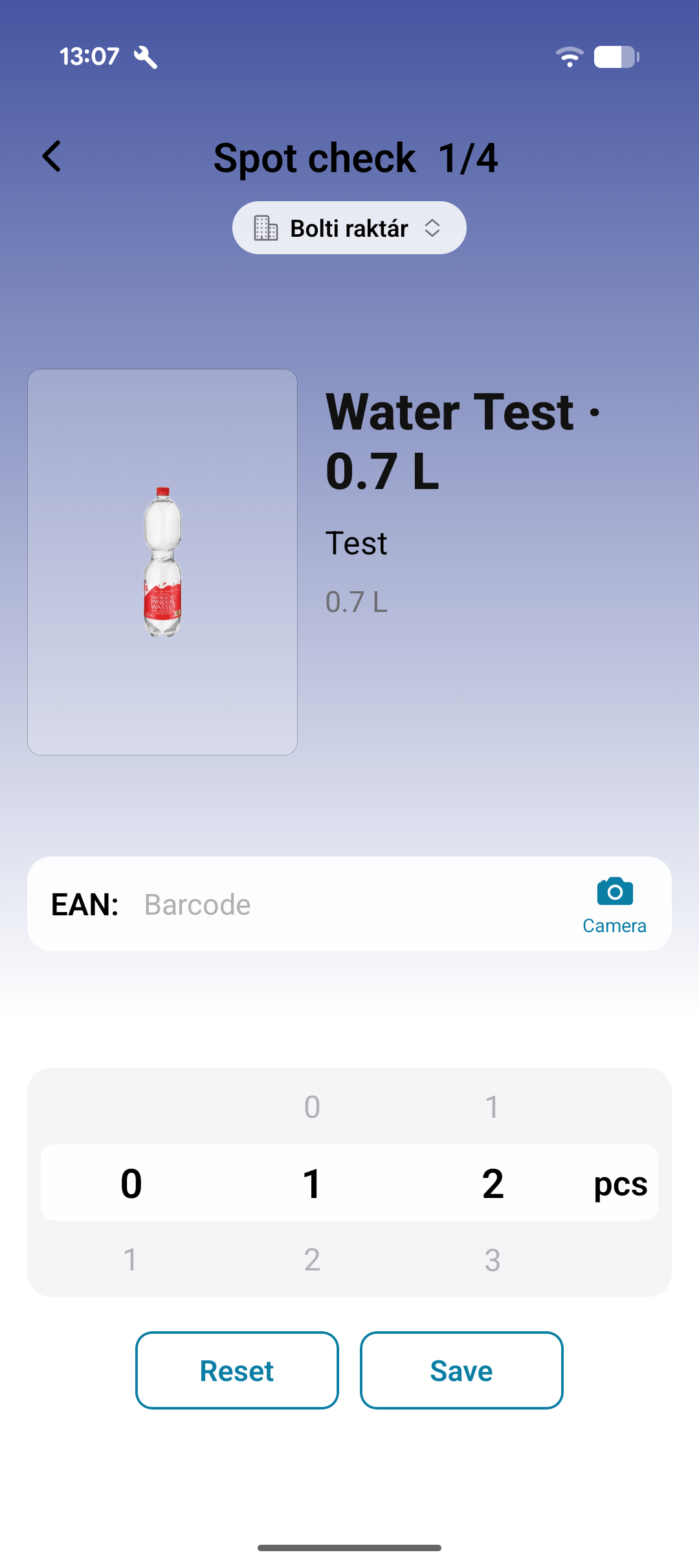
A stocktake never shows the expected quantity while you count, and never tells you whether you got it right. The difference goes into the report instead. A count that shows the answer first is not a count.
Count everything, or run a spot check: the app draws a small sample — one fast-moving item, the rest the least recently counted — so coverage rotates without anyone having to decide what to check.
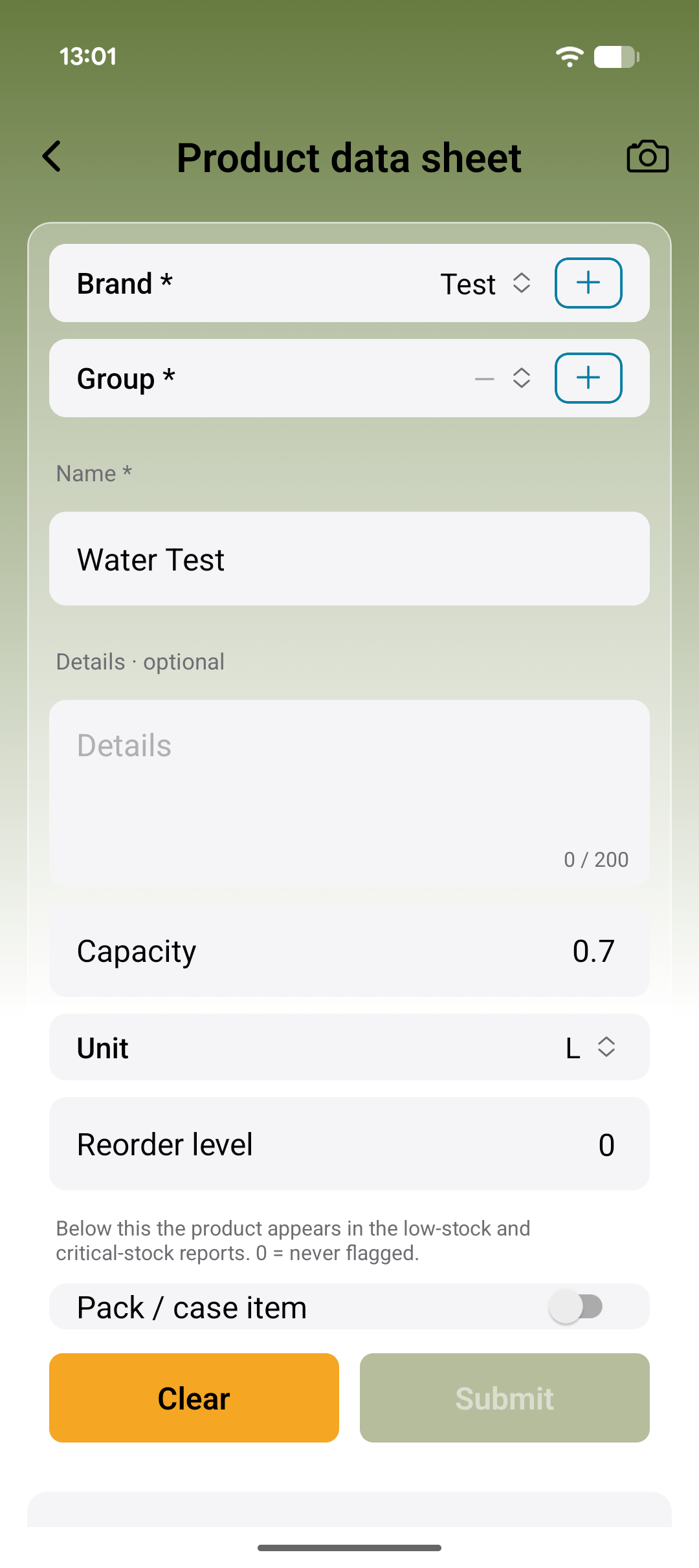
Products with photos, brands, groups, pack sizes and as many barcodes as reality demands. Set a reorder level and the item shows up in the critical-stock report before the shelf is empty.
It belongs to the company, not to one person’s spreadsheet. Nothing stops while they are on holiday.
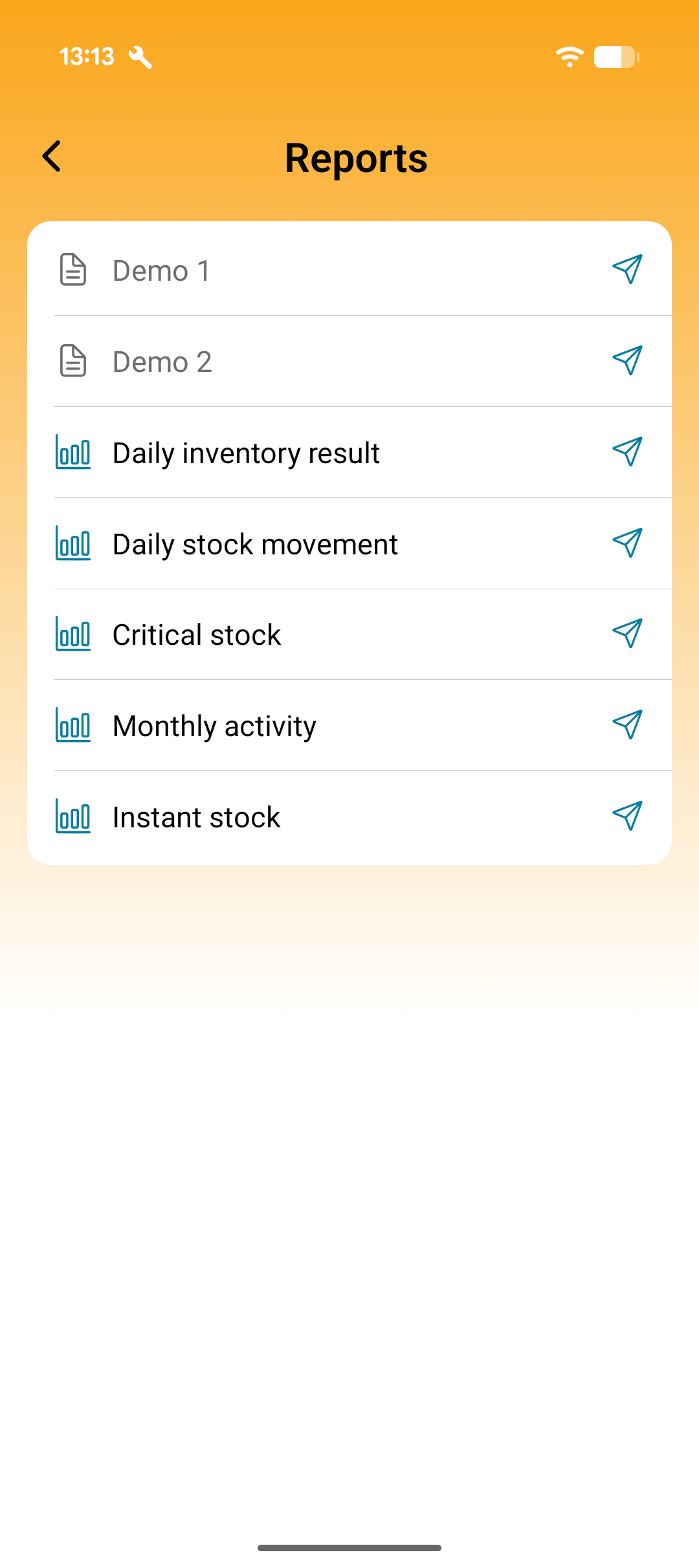
Daily movements, stocktake results, critical stock, current stock. Ask for one and it arrives as a spreadsheet you can pass to an accountant without editing it first.
Which reports a company has is set up for it, so the list stays short and every line on it is one somebody actually uses.
For a company, not one person
An administrator hands out the company’s join code and approves who gets in. Nobody arrives by accident, and nobody has to be emailed a file.
The warehouse floor moves stock; the office runs reports and manages people. Who may do what is a setting you control, not a promise you make.
Movements and counts are stored with who made them and when, and cannot be edited away afterwards. That is what makes it a record rather than a note.
The office side
Creating warehouses, adding and removing members, deciding what each role may do, configuring the company’s reports — on a full screen, in a browser. It is one subscription for the whole company, however many people use it, and an administrator starts it from inside the app.
The app itself stays free. Receiving and issuing stock keeps working whether or not the company subscribes.
Getting started
The first person to sign in creates the company and its first warehouse, and becomes its administrator.
Scan each barcode once and fill in the product. Coming from another system? We have moved catalogues across before — ask us.
Start from zero and count the shelves in. From that moment the numbers are yours, and every change to them has a name on it.